Caffeine is more than just a morning ritual—it’s a powerful tool that, when used wisely, can enhance focus, boost energy, and improve performance throughout your day.

Yet many of us struggle with the ups and downs of caffeine consumption: the jitters, afternoon crashes, sleepless nights, and that perpetual feeling of needing “just one more cup.” The difference between caffeine working for you versus against you lies in understanding how to build a balanced, energizing routine that respects your body’s natural rhythms and individual needs.
☕ Understanding Caffeine: Your Body’s Relationship with the World’s Favorite Stimulant
Before diving into routine-building strategies, it’s essential to understand what caffeine actually does inside your body. Caffeine is a central nervous system stimulant that blocks adenosine receptors in your brain. Adenosine is the neurotransmitter responsible for promoting sleep and relaxation—so when caffeine blocks these receptors, you feel more alert and awake.
The half-life of caffeine ranges from three to five hours for most adults, meaning that after this time, half of the caffeine you consumed is still circulating in your system. This is why that afternoon espresso at 4 PM might still be affecting your sleep at midnight. Individual factors like genetics, liver function, medications, and even pregnancy can significantly alter how quickly you metabolize caffeine.
Your tolerance to caffeine also plays a crucial role. Regular consumers develop tolerance over time, requiring more caffeine to achieve the same effects. This adaptation occurs because your brain produces more adenosine receptors to compensate for the ones being blocked. Understanding this biological relationship is the foundation for creating a sustainable caffeine routine.
🎯 Identifying Your Caffeine Sweet Spot
Not everyone processes caffeine the same way. Some people can drink espresso after dinner and sleep soundly, while others feel wired from a single cup of green tea in the morning. Finding your personal caffeine sweet spot requires honest self-assessment and experimentation.
Factors That Influence Your Ideal Caffeine Intake
Your optimal caffeine consumption depends on several personal variables. Body weight matters—larger individuals generally can handle more caffeine. Age also plays a role, as metabolism tends to slow with time. Genetics significantly impact how you process caffeine; specific gene variants determine whether you’re a fast or slow metabolizer.
Sleep quality and existing stress levels should inform your caffeine choices. If you’re already sleep-deprived or highly stressed, adding excessive caffeine creates a counterproductive cycle. Medications, particularly those affecting the liver or central nervous system, can interact with caffeine metabolism.
Health experts generally recommend limiting caffeine intake to 400 milligrams per day for healthy adults—roughly four 8-ounce cups of brewed coffee. However, this is a ceiling, not a target. Many people thrive on significantly less.
⏰ Timing Is Everything: Strategic Caffeine Scheduling
When you consume caffeine matters as much as how much you consume. Aligning your caffeine intake with your body’s natural cortisol rhythms can dramatically improve energy stability and sleep quality.
The Cortisol Connection
Cortisol is your body’s natural wake-up hormone, with levels peaking shortly after you wake up, then again around midday and early evening. Consuming caffeine during these natural peaks doesn’t provide additional benefits—you’re already naturally alert. Instead, it contributes to tolerance building and potential crashes later.
The optimal strategy involves waiting 60-90 minutes after waking before your first caffeine dose. This allows cortisol to do its job naturally and makes your caffeine more effective when your cortisol begins to dip. For most people, this means delaying that first cup until mid-morning rather than reaching for it immediately upon waking.
The Afternoon Cutoff Rule
Given caffeine’s extended half-life, establishing a personal cutoff time is crucial for protecting sleep quality. For most people, avoiding caffeine after 2 PM ensures it won’t interfere with falling asleep. However, if you’re a slow metabolizer or particularly sensitive, you might need to make your cutoff even earlier—noon or 1 PM.
Track your sleep quality for two weeks while adjusting your cutoff time earlier in 30-minute increments. You’ll discover your personal threshold where caffeine no longer disrupts your sleep architecture.
🔄 Building Your Balanced Caffeine Routine
With foundational knowledge in place, you can now construct a personalized caffeine routine that energizes without destabilizing. A balanced approach considers timing, quantity, quality, and integration with other lifestyle factors.
The Morning Protocol
Start your day with hydration, not caffeine. Drink 16-20 ounces of water upon waking to rehydrate after overnight fasting. This simple step can reduce perceived fatigue that you might otherwise address with excessive caffeine. Follow this with light exposure—step outside or open curtains to signal daytime to your circadian system.
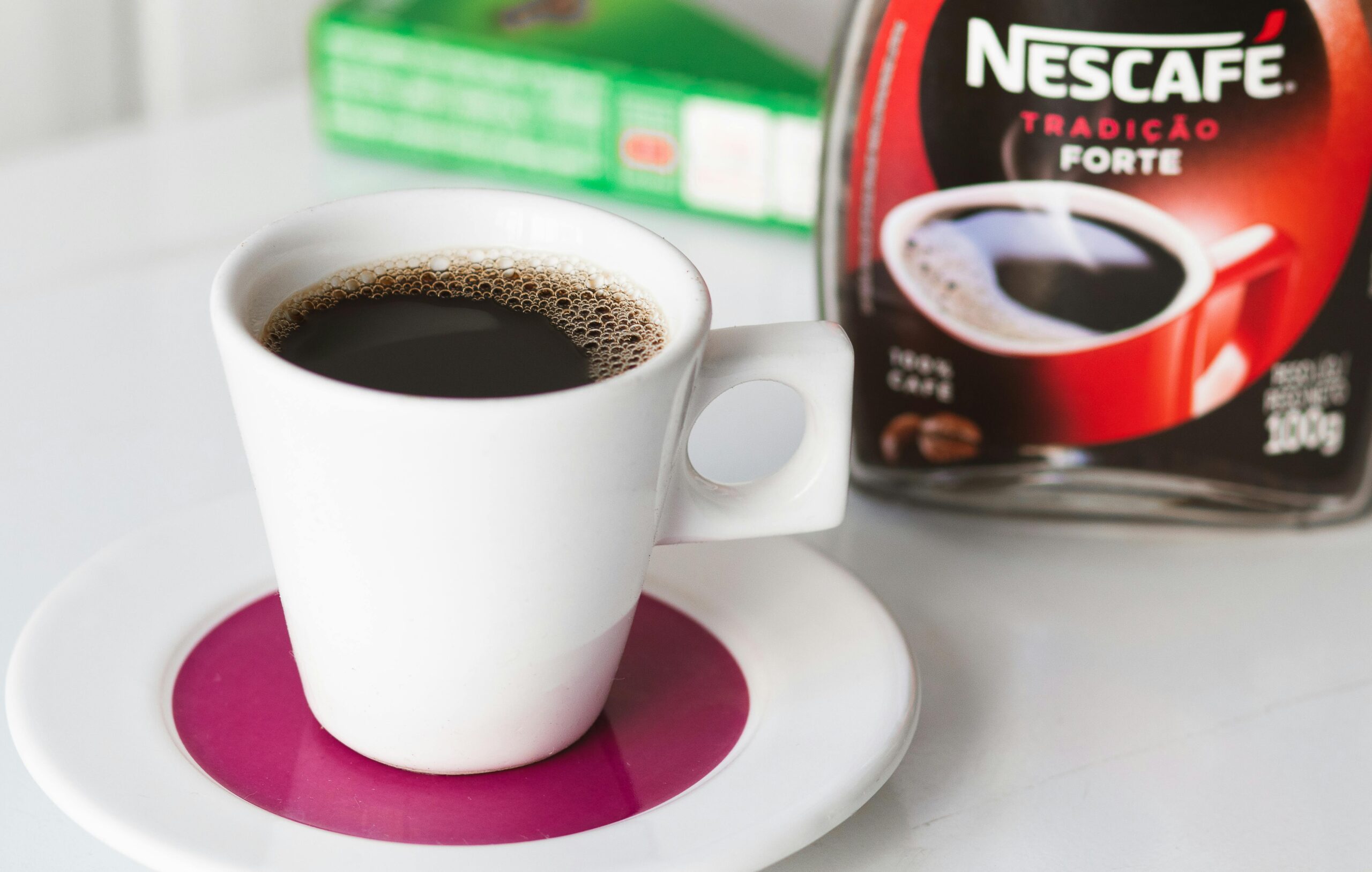
After 60-90 minutes, enjoy your first caffeinated beverage. Keep this first dose moderate—around 80-100mg of caffeine (a standard cup of coffee or two shots of espresso). Pair it with protein and healthy fats to stabilize blood sugar and prevent jitters.
The Midday Approach
If you experience an afternoon energy dip, a small second dose around 1-2 PM can be strategic. However, consider alternatives first: a 10-minute walk, brief meditation, or even a 20-minute power nap can be equally effective without adding more stimulants to your system.
If you do choose afternoon caffeine, keep it smaller than your morning dose—perhaps 40-60mg from green tea or a small coffee. This provides a gentle lift without overwhelming your system or threatening evening sleep.
The Evening Wind-Down
After your cutoff time, transition to caffeine-free alternatives. Herbal teas like chamomile, rooibos, or peppermint provide ritual satisfaction without stimulation. This signals to your body that it’s time to begin winding down, supporting natural melatonin production.
📊 Caffeine Content Awareness
Not all caffeinated beverages are created equal. Understanding the caffeine content in your favorite drinks allows for better routine planning and consistency.
| Beverage | Serving Size | Caffeine Content |
|---|---|---|
| Brewed Coffee | 8 oz | 95-165 mg |
| Espresso | 1 oz (single shot) | 47-64 mg |
| Black Tea | 8 oz | 40-70 mg |
| Green Tea | 8 oz | 25-50 mg |
| Energy Drink | 8 oz | 70-100 mg |
| Cola Soda | 12 oz | 30-40 mg |
| Dark Chocolate | 1 oz | 12-25 mg |
These ranges vary based on brewing method, bean or leaf type, and preparation time. When building your routine, start by measuring and tracking what you actually consume rather than estimating.
💡 Enhancing Caffeine’s Benefits
Caffeine works best when supported by complementary lifestyle practices. These strategies amplify positive effects while minimizing negative ones.
Hydration Multiplication
Caffeine has mild diuretic effects, potentially contributing to dehydration. For every caffeinated beverage, drink an equal amount of water. This simple 1:1 ratio maintains hydration status and can reduce headaches, energy crashes, and that over-caffeinated feeling.
L-Theanine Synergy
L-theanine is an amino acid found naturally in tea that promotes relaxation without sedation. When combined with caffeine, it creates a focused, calm alertness while reducing jitters and anxiety. Green tea naturally contains both compounds in beneficial ratios, or you can add L-theanine supplements to your coffee (typically 100-200mg L-theanine per 100mg caffeine).
Movement Integration
Light exercise 20-30 minutes after caffeine consumption enhances its effects. The combination increases blood flow, oxygen delivery, and mental clarity while helping prevent energy stagnation that can lead to jitteriness. Even a 10-minute walk amplifies caffeine’s benefits.
🚫 Recognizing When to Reset
Even with a balanced routine, periodic caffeine tolerance breaks can restore sensitivity and reduce dependency. Signs you might need a reset include requiring progressively more caffeine for the same effect, experiencing withdrawal headaches if you miss your usual dose, feeling anxious or jittery regularly, or having persistent sleep difficulties.
The Strategic Caffeine Reset
A tolerance break doesn’t require going cold turkey indefinitely. A 7-14 day reduction or elimination period can significantly restore caffeine sensitivity. Taper gradually rather than stopping abruptly to minimize withdrawal symptoms like headaches, fatigue, and irritability.
Reduce your daily intake by 25% every 2-3 days. Replace caffeinated beverages with decaf versions or herbal alternatives. Support the process with extra sleep, hydration, and B-vitamins. After your reset period, reintroduce caffeine at a lower baseline dose—you’ll find that less produces more noticeable effects.
🎨 Personalizing Your Caffeine Experience
The ultimate caffeine routine is one that feels sustainable, enjoyable, and aligned with your lifestyle. These customization strategies help you fine-tune your approach.
Tracking and Optimization
Keep a simple caffeine journal for two weeks, noting the time, amount, and type of each caffeinated beverage, along with energy levels, mood, productivity, and sleep quality. Patterns will emerge showing your optimal timing, quantity, and combinations. Many health tracking apps include caffeine logging features that make this process seamless.
Quality Over Quantity
Choosing high-quality caffeine sources enhances your experience while potentially reducing negative effects. Organic, single-origin coffees and teas contain fewer pesticides and often provide smoother energy. Cold brew coffee tends to be lower in acidity, which some people tolerate better. Matcha provides sustained energy release compared to coffee’s sharper spike and crash pattern.
Ritual and Mindfulness
Transform caffeine consumption from mindless habit to intentional ritual. The act of preparing and savoring your beverage—whether it’s grinding beans, steeping tea, or using a special mug—creates psychological satisfaction that enhances the experience. This mindful approach naturally prevents overconsumption since you’re fully present rather than drinking on autopilot.
🌟 Advanced Strategies for Energy Optimization
Once you’ve mastered the basics, these advanced techniques can further refine your caffeine routine for maximum benefit with minimum drawbacks.
Caffeine Cycling
Some high performers alternate between higher and lower caffeine days to maintain sensitivity while still enjoying regular use. For example, consume your full routine on workdays but reduce by 50-75% on weekends, or create a monthly pattern with one week of minimal caffeine intake. This prevents plateau while maintaining functionality.
Context-Specific Optimization
Adjust your routine based on circumstances. Before early morning workouts, a small pre-exercise dose (40-60mg) taken 30-45 minutes before training can enhance performance. For creative work requiring divergent thinking, lower doses or alternatives like green tea might be more appropriate than high-dose coffee. For focused analytical tasks, your standard routine likely works best.
Supplement Stacking
Certain supplements complement caffeine’s effects while mitigating downsides. Magnesium helps with relaxation and can reduce caffeine-induced muscle tension. B-vitamins support energy metabolism. Adaptogens like rhodiola or ashwagandha can smooth out caffeine’s stimulation while reducing stress response. Always research interactions and consult healthcare providers before combining supplements.
🏆 Making Your Routine Sustainable
The best caffeine routine is one you can maintain long-term without negative consequences. Sustainability requires flexibility, self-awareness, and regular reassessment.
Plan for disruptions like travel, schedule changes, or periods of higher stress by having flexible protocols rather than rigid rules. Give yourself permission to adjust based on how you feel—if you’re genuinely exhausted, an extra cup might be appropriate, while an anxious day calls for scaling back.
Check in quarterly with these questions: Am I sleeping well? Do I feel energized or wired? Is my caffeine use serving me or have I become dependent? Would I feel comfortable going a day without caffeine? Your honest answers guide necessary adjustments.
Remember that caffeine is a tool, not a solution for chronic fatigue, poor sleep, or inadequate nutrition. If you find yourself needing progressively more caffeine just to feel normal, address underlying lifestyle factors rather than increasing consumption indefinitely. Prioritize sleep quality, stress management, regular movement, and nutrient-dense nutrition—caffeine should enhance an already healthy foundation, not compensate for its absence.
Building a balanced and energizing caffeine routine transforms this ubiquitous stimulant from a source of dependency and jitters into a strategic performance enhancer. By understanding your personal caffeine metabolism, timing consumption strategically, maintaining awareness of intake, supporting caffeine with complementary practices, and remaining flexible in your approach, you create a sustainable relationship with caffeine that energizes your days without compromising your nights. Your perfect routine awaits—start experimenting, stay curious, and enjoy the journey to mastering your buzz.